Overview
Thyroid surgery in children is uncommon, but may be required for several conditions including thyroid cancer, thyroid nodules, overactive thyroid (hyperthyroidism) and thyroid enlargement (goitre).
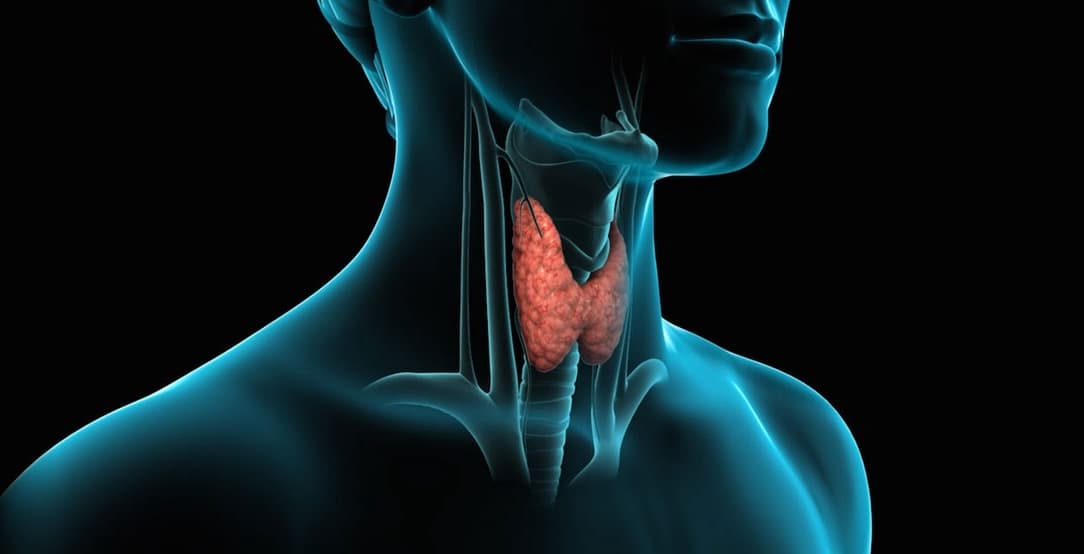
Successful outcomes depend on accurate diagnosis, careful surgical planning and specialist expertise. Because the thyroid gland sits close to delicate structures such as the nerves controlling the vocal cords and the parathyroid glands (which regulate calcium levels), paediatric thyroid surgery should be performed in centres with appropriate experience.
Dr Sandler is the only high-volume thyroid surgeon in Australia who holds fellowships in adult and paediatric general surgery from the Royal Australasian College of Surgeons. He treats children for thyroid disorders at the Children's Hospital at Westmead and is an integral member of the National Paediatric Thyroid Cancer Multidisciplinary Team.
Why Might a Child Need Thyroid Surgery?
1. Thyroid Cancer
The most common reason for thyroid surgery in children is papillary thyroid carcinoma, followed by:
- Follicular thyroid carcinoma
- Medullary thyroid carcinoma (often associated with genetic syndromes like MEN2)
Surgery is the main treatment for most thyroid cancers.
2. Thyroid Nodules
Thyroid nodules in children are less common than in adults but have a higher chance of being cancerous. Surgery may be recommended when:
- A nodule is suspicious on ultrasound or biopsy
- A nodule continues to grow
- A nodule causes breathing or swallowing symptoms
3. Hyperthyroidism (Overactive Thyroid)
Children with hyperthyroidism—usually due to Graves' disease—may need surgery when:
- Medication is not effective or causes side effects
- Radioactive iodine is not appropriate
- The thyroid gland is very large
- Families prefer a definitive surgical option
4. Goitre (Thyroid Enlargement)
A large goitre may require surgery if it causes:
- Breathing or swallowing problems
- Compression of nearby structures
- Cosmetic concerns
- Concerns about underlying cancer
5. Genetic or Syndromic Conditions
Some inherited conditions increase the risk of thyroid tumours and may require preventative or early thyroid surgery, including:
- Multiple Endocrine Neoplasia type 2 (MEN2) – associated with medullary thyroid carcinoma
- PTEN Hamartoma Tumour Syndrome (Cowden syndrome) – associated with thyroid nodules and differentiated thyroid cancer
- DICER1 syndrome – associated with thyroid nodules and cancer
In these cases, surgery is planned in consultation with endocrinologists and genetic specialists.
Types of Thyroid Surgery
1. Total Thyroidectomy
Removal of the entire thyroid gland. Commonly recommended for:
- Most thyroid cancers
- Graves' disease not controlled with medication
- Large goitres
- Genetic conditions with high cancer risk (e.g., MEN2B)
Children will require lifelong thyroid hormone replacement after this operation.
2. Thyroid Lobectomy (Hemithyroidectomy)
Removal of one thyroid lobe. Used for:
- Small or low-risk thyroid cancers
- Some thyroid nodules
- Diagnostic uncertainty (to obtain a full pathology assessment)
After lobectomy, many children retain normal thyroid function and do not need lifelong medication.
3. Lymph Node Surgery
If thyroid cancer has spread to lymph nodes, additional surgery may include:
- Central neck dissection
- Lateral neck dissection
These procedures remove lymph nodes with cancer while preserving important surrounding structures.
What Happens Before Surgery?
1. Clinical Assessment
Your child's surgeon will assess:
- Symptoms
- Thyroid function
- Examination of the thyroid and lymph nodes
2. Imaging and Tests
These usually include:
- Ultrasound of the thyroid and neck
- Fine needle aspiration biopsy for suspicious nodules
- Blood tests to assess thyroid hormone levels
- Genetic testing if medullary thyroid cancer or a syndrome is suspected
3. Anaesthetic Assessment
Children are assessed by a paediatric anaesthetist before surgery.
How is Thyroid Surgery Performed?
Thyroid surgery is performed under general anaesthesia. Children are admitted to hospital on the day of surgery.
Key steps include:
- A small incision low in the neck
- Careful separation of the thyroid gland from surrounding structures
- Protection of the recurrent laryngeal nerves (which control the vocal cords)
- Preservation of the parathyroid glands (important for calcium regulation)
The procedure usually takes 1–3 hours depending on the complexity.
Recovery After Surgery
In Hospital
Most children stay in hospital for 1–2 days. Monitoring focuses on:
- Calcium levels
- Voice quality
- Pain control
- Wound care
If lymph node surgery is performed, the stay may be slightly longer.
At Home
Children typically:
- Return to school within 1–2 weeks
- Avoid strenuous activity for 2–3 weeks
- Attend a follow-up appointment for wound review
The neck scar usually fades significantly over time.
Possible Risks and Complications
Paediatric thyroid surgery is safe in experienced hands, but possible risks include:
- Temporary low calcium levels (hypocalcaemia)
- Permanent hypocalcaemia (rare)
- Temporary voice changes
- Permanent vocal cord weakness (very rare)
- Bleeding or infection
- Need for further surgery depending on final pathology
Your surgeon will discuss individual risks based on your child's condition.
Thyroid Hormone Replacement
After total thyroidectomy, children need lifelong levothyroxine to replace thyroid hormone.
Goals of treatment:
- Normalise energy and metabolism
- Support growth and development
- Suppress TSH (in cancer cases to reduce recurrence risk)
Dosages are adjusted over time through blood tests.
After lobectomy, some children still require hormone replacement, but many maintain normal thyroid function.
If Surgery Was for Thyroid Cancer
Additional treatment and follow-up may include:
- Radioactive iodine therapy (RAI)
- Thyroglobulin blood tests as tumour markers
- Regular neck ultrasound
- Long-term endocrine and surgical follow-up
Long-term survival for paediatric thyroid cancer is excellent.
Long-Term Follow-Up
Follow-up usually includes:
- Blood tests (TSH, thyroglobulin, calcium)
- Periodic neck ultrasound
- Adjustments of medication as children grow
- Review by endocrinology and surgical teams
Children lead normal lives after thyroid surgery, including full participation in school, sport and social activities.
Personalised Q&A
Access personalised, evidence-based answers about your procedure with our Medical AI tool. Powered by Perplexity and backed by the latest medical literature, it provides accurate, up-to-date information tailored to your specific questions.
Tell Us About Yourself
Please provide your health information so we can personalise answers to your situation.
This information is used only to personalize your responses and is not stored permanently.