
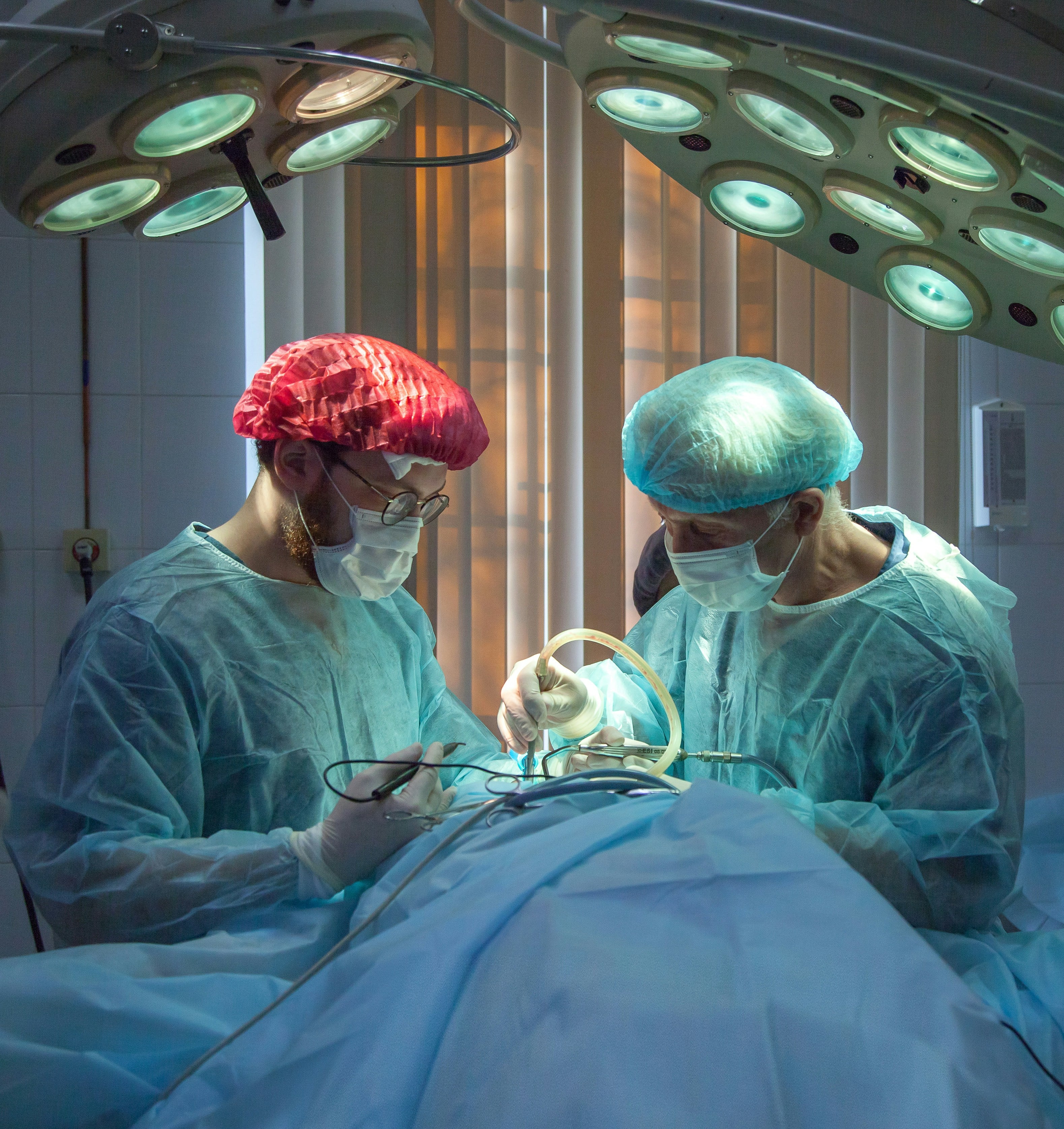
When is gastric resection needed?
Surgery is the main curative treatment for cancers and tumours of the stomach. Gastric resection is used for:
- Gastric (stomach) cancer - most commonly adenocarcinoma
- Gastrointestinal stromal tumours (GISTs) arising in the stomach wall
- Neuroendocrine tumours of the stomach
- Other benign or pre-cancerous gastric tumours and polyps that cannot be removed endoscopically
Small tumours confined to the stomach lining can sometimes be removed by gastroscopy alone. Your surgeon will review your scans and biopsies with the multidisciplinary team to recommend the most appropriate treatment.
Types of gastric resection
Wedge resection
A small section of the stomach wall containing the tumour is removed. This is often suitable for GISTs and can usually be performed laparoscopically.
Partial (subtotal) gastrectomy
The lower part of the stomach is removed and the remaining stomach is joined to the small bowel. It is used for tumours in the lower half of the stomach.
Total gastrectomy
The whole stomach is removed and the oesophagus is joined directly to the small bowel. It is used for tumours in the upper stomach or where the tumour is extensive.
For cancer, the surrounding lymph nodes are removed at the same time (lymphadenectomy) so that the cancer can be accurately staged and the risk of recurrence reduced. Where appropriate, gastric resections are performed using laparoscopic (keyhole) techniques.
Multidisciplinary treatment
All gastric cancers are discussed at a multidisciplinary team (MDT) meeting with medical oncologists, radiation oncologists, gastroenterologists, radiologists and pathologists. Many patients receive chemotherapy before and after surgery (perioperative chemotherapy) to improve outcomes, and this is coordinated with our medical oncology colleagues.
Recovery and eating after surgery
Most patients spend five to ten days in hospital after a gastrectomy. Eating is reintroduced gradually, starting with fluids and progressing to small, frequent meals. A dietitian will guide you through these changes, and after a total gastrectomy regular vitamin B12 injections are needed for life because the stomach is no longer there to absorb it.
Many people lose some weight in the months after surgery before it stabilises. Strenuous activity should be avoided for four to six weeks, and follow-up includes regular reviews, blood tests and surveillance scans.
Personalised Q&A
Access personalised, evidence-based answers about your procedure with our Medical AI tool. Powered by Perplexity and backed by the latest medical literature, it provides accurate, up-to-date information tailored to your specific questions.
Tell Us About Yourself
Please provide your health information so we can personalise answers to your situation.
This information is used only to personalize your responses and is not stored permanently.