
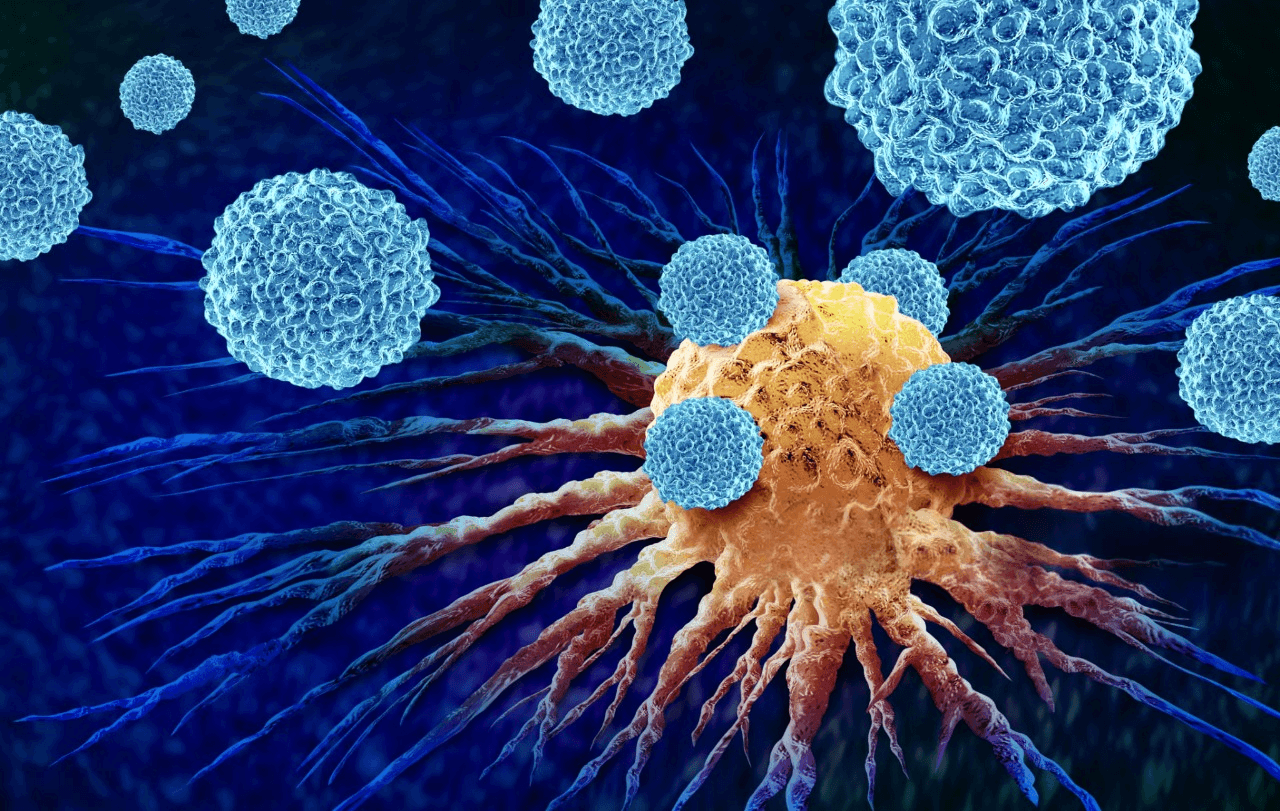
What is a Merkel cell tumour?
Merkel cell carcinoma is a rare type of skin cancer that arises from neuroendocrine cells in the skin. It is far less common than basal cell carcinoma, squamous cell carcinoma or melanoma, but it behaves more aggressively and can spread to nearby lymph nodes and other parts of the body relatively early.
It usually appears as a firm, painless, rapidly growing lump that may be red, purple or skin-coloured, most often on the head, neck, arms or legs. Risk factors include long-term sun exposure, older age, fair skin and a weakened immune system. Because the lump can look harmless, it is often mistaken for a cyst or a benign growth, which is why any new lump that is growing quickly should be checked by a doctor without delay.
Diagnosis and staging
Diagnosis begins with a biopsy, in which a sample of the lump is removed and examined under a microscope. Because Merkel cell carcinoma can resemble other tumours, the pathologist uses special stains to confirm the diagnosis, and review by a pathologist experienced in skin cancer is important.
Once the diagnosis is confirmed, staging tests are arranged to find out whether the cancer has spread. These usually include imaging such as a CT or PET scan. A sentinel lymph node biopsy is commonly recommended at the time of surgery. This identifies the first lymph node or nodes that drain the area of skin around the tumour so they can be removed and checked for cancer cells, even if they feel normal. The results guide decisions about further treatment.
Treatment
The main treatment is wide local excision, in which the tumour is removed together with a margin of surrounding healthy skin to reduce the chance of cancer cells being left behind. Depending on the size and location, the wound may be closed directly or may need a skin graft or flap reconstruction.
Radiotherapy is frequently recommended after surgery to the site of the tumour and sometimes to the nearby lymph nodes, because Merkel cell carcinoma is sensitive to radiation and this lowers the risk of the cancer returning. If cancer is found in the lymph nodes, further surgery or radiotherapy to that area may be advised.
For cancer that has spread more widely, immunotherapy has become an important treatment and is arranged through your medical oncologist.
Multidisciplinary care
Because Merkel cell carcinoma is uncommon and can behave unpredictably, every patient is discussed at a multidisciplinary team meeting attended by surgeons, radiation oncologists, medical oncologists, dermatologists, radiologists and pathologists. This ensures that the diagnosis, staging results and treatment plan are reviewed by specialists from each relevant field before treatment begins.
At Sydney Surgical Oncology we work closely with medical and radiation oncology colleagues, so referrals for radiotherapy or immunotherapy, scans and follow-up appointments are coordinated rather than arranged in isolation. Your surgeon will explain the recommendations from the meeting, discuss the balance of benefits and risks of each option, and make sure you have the information you need to take part in decisions about your care.
Follow-up after treatment
Regular follow-up is an essential part of treatment for Merkel cell carcinoma because of the risk of the cancer returning, particularly in the first few years. Follow-up visits include a careful examination of the scar, the surrounding skin and the lymph nodes, and imaging scans may be arranged at intervals depending on the stage of the original cancer.
You will also be shown how to check your own skin and lymph node areas between visits. Please contact the practice promptly if you notice a new lump near the scar, a swelling in the neck, armpit or groin, or any other new skin change. Ongoing sun protection and regular skin checks are recommended for life, as people who have had one skin cancer are at higher risk of developing others.
Personalised Q&A
Access personalised, evidence-based answers about your procedure with our Medical AI tool. Powered by Perplexity and backed by the latest medical literature, it provides accurate, up-to-date information tailored to your specific questions.
Tell Us About Yourself
Please provide your health information so we can personalise answers to your situation.
This information is used only to personalize your responses and is not stored permanently.